 Noel
Unified Communications as a Service (UCaaS) has become a Performance Metrics cornerstone of modern enterprise communication. By combining voice, video, messaging, and collaboration tools into a single cloud-based platform, UCaaS enhances productivity and enables seamless communication across locations and devices. However, as with any technology-driven service, performance is paramount. Without actively monitoring key metrics, businesses risk degradation in service quality, user dissatisfaction, and even financial loss.
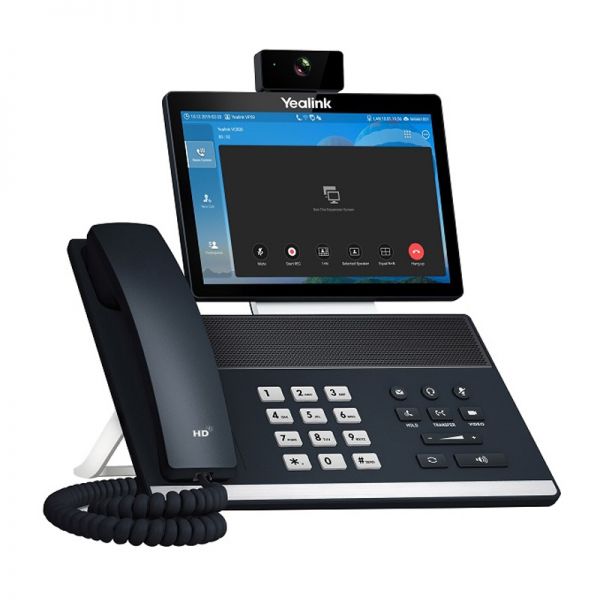
This post dives deep into the top performance metrics every IT administrator and business leader should track in a UCaaS environment to ensure optimal functionality, reliability, and user experience.
Table of Contents
Why Performance Metrics Matter in UCaaS
UCaaS platforms are only as good as their ability to deliver real-time, reliable, and high-quality communication. Any latency, jitter, or packet loss can drastically impair the experience, especially during video calls or VoIP conversations. Moreover, as organizations scale, the complexity of managing communication infrastructure grows. Metrics help teams monitor trends, diagnose issues proactively, and optimize the performance of communication tools.
Monitoring the right metrics provides not only technical insights but also business value. It allows teams to ensure uptime, maintain compliance, identify usage patterns, and manage costs effectively.
1. Latency
Latency is the time it takes for data to travel from the sender to the receiver. In UCaaS, low latency is critical for real-time communication—especially for voice and video. A latency of less than 150ms is generally acceptable for VoIP, but ideally, it should be under 100ms.
High latency can lead to noticeable delays in conversation, causing participants to talk over one another or experience awkward pauses. Monitoring end-to-end latency can help network engineers identify where delays are occurring—whether on the client side, the provider’s infrastructure, or the internet in between.
2. Jitter
Jitter refers to the variation in packet arrival times. In a perfect environment, packets should arrive at regular intervals. However, network congestion and routing issues can cause these intervals to fluctuate, leading to jitter.
High jitter causes choppy audio, frozen video, and poor user experiences. Jitter above 30ms can begin to impact quality, and anything beyond 50ms is usually considered unacceptable for real-time communication. UCaaS monitoring tools should track jitter across different network paths and alert admins when it crosses acceptable thresholds.
3. Packet Loss
Packet loss occurs when data packets traveling across a network fail to reach their destination. Even a small amount of packet loss (e.g., 1%) can degrade call quality significantly. For UCaaS, this is one of the most damaging issues, leading to dropped calls, garbled audio, or pixelated video.
To reduce packet loss, administrators need to monitor both internal and external network paths, prioritize voice traffic using Quality of Service (QoS), and resolve any bottlenecks caused by hardware or ISP performance.
4. Mean Opinion Score (MOS)
The Mean Opinion Score (MOS) is a numerical measure of the perceived quality of a voice call. It ranges from 1 (bad) to 5 (excellent). MOS incorporates latency, jitter, and packet loss into a single user experience score, making it one of the most useful UCaaS performance indicators.
A score above 4.0 is considered excellent, while anything below 3.6 may result in poor user satisfaction. Many UCaaS providers calculate MOS for every call and provide dashboards to track trends over time, helping businesses correlate technical performance with user experience.
5. Call Setup Time
This metric measures the time it takes for a call to be successfully connected after the user initiates it. Delays in call setup can frustrate users and may indicate backend configuration issues, SIP trunk problems, or provider-side inefficiencies.
Monitoring average call setup times can help diagnose performance issues before they impact productivity. An acceptable call setup time is generally less than 3 seconds.
6. Call Drop Rate
A high call drop rate is a red flag indicating instability in the UCaaS environment. Calls can drop due to poor signal quality, system overload, software bugs, or WAN interruptions.
Tracking drop rates by region, device type, or user group can help isolate the source of the problem. Remediation may involve optimizing bandwidth allocation, upgrading infrastructure, or working with the UCaaS vendor to address platform-side bugs.
7. Bandwidth Utilization
UCaaS services consume bandwidth—sometimes significantly, especially with HD video and large meetings. Bandwidth utilization metrics help organizations ensure their networks have enough capacity to support all users, especially during peak hours.
Monitoring bandwidth per user, per application, and per location ensures proactive capacity planning. It also enables IT to detect and address anomalies, such as unexpected spikes caused by updates or unauthorized usage.
8. Device and Endpoint Metrics
End-user devices such as headsets, mobile phones, and desktop applications can significantly impact UCaaS performance. Tracking endpoint metrics like software version, hardware compatibility, and local resource usage (CPU, RAM, etc.) helps identify performance bottlenecks at the user level.
It’s also important to track client crashes, login failures, and device compatibility issues across platforms to ensure consistent service delivery.
9. Usage Metrics
Beyond technical performance, usage metrics give insight into how the UCaaS platform is being adopted and utilized. Metrics like:
Number of active users
Minutes of voice/video used
Number of meetings held
Messaging volume
…can help IT teams and business leaders understand ROI, adoption trends, and areas where user training may be needed.
Low usage may indicate that users are reverting to legacy tools, which could compromise security and productivity. Regular usage audits can ensure alignment between UCaaS investment and organizational goals.
10. Service Uptime and Availability
Availability is a fundamental metric for any cloud-based service. Even with high-quality features, UCaaS is only effective if it’s available when needed. Service availability is typically measured as a percentage over time (e.g., 99.99%).
Monitoring actual uptime against SLA guarantees helps businesses hold providers accountable. It also ensures critical operations aren’t interrupted by unexpected downtime.
11. Security and Compliance Metrics
In industries with strict compliance requirements, tracking security-related metrics is essential. These include:
Login attempts and failures
Multi-factor authentication (MFA) adoption
Role-based access audits
Encryption usage (in-transit and at rest)
Compliance with HIPAA, GDPR, etc.
Security issues can affect performance indirectly—especially if a breach triggers throttling or suspension by the UCaaS provider. Regular security audits ensure the platform remains secure and performant.
12. Support and Ticket Metrics
Lastly, it’s important to monitor user support trends related to UCaaS. High volumes of support tickets related to call quality, connection issues, or interface problems can reveal systemic issues not captured by automated metrics.
Key indicators include:
Time to resolve UCaaS-related tickets
Number of tickets per user
Recurring issue types
These metrics offer human-centered context and can guide platform training, interface improvements, or vendor changes.
Final Thoughts
In the dynamic landscape of Unified Communications as a Service, performance metrics are the compass guiding reliability, scalability, and user satisfaction. Whether it’s technical indicators like jitter and packet loss, or operational insights like usage patterns and support trends, each metric provides a piece of the puzzle.
Successful UCaaS deployments don’t just “set and forget”—they’re actively monitored, continuously optimized, and tightly aligned with organizational goals. By tracking the right metrics and acting on the insights they provide, businesses can ensure a resilient and high-performing communications environment that empowers users and drives productivity.
As UCaaS continues to evolve with AI-powered features, 5G integration, and hybrid work trends, the importance of performance monitoring will only grow. Start tracking these key metrics today, and turn your UCaaS solution into a strategic asset rather than just a utility.