 Noel
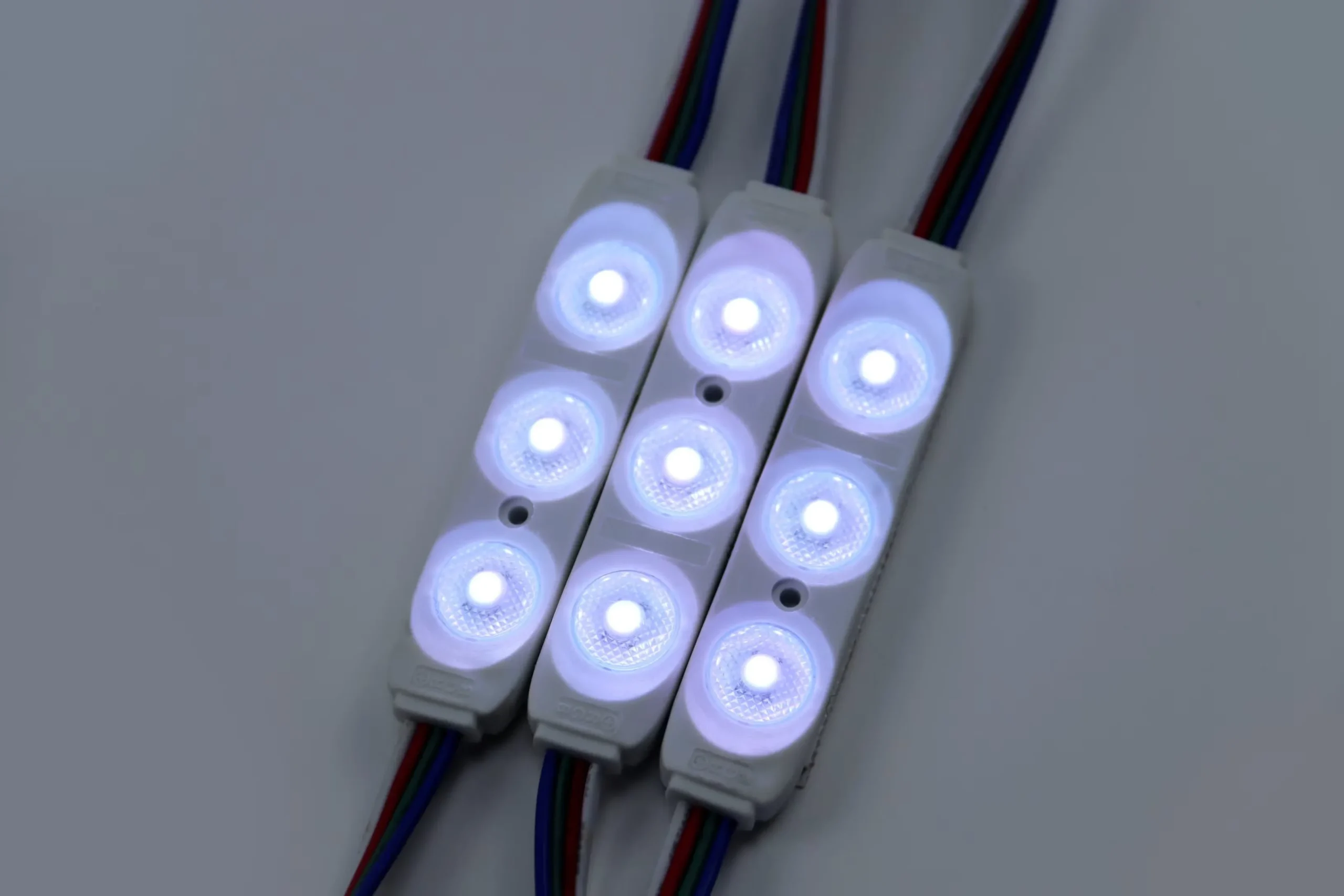
For startups venturing into the LED lighting, signage, or display industry, sourcing high-quality LED Module suppliers is a critical step. Yet, startups often face a unique challenge—balancing cost constraints with the need for reliable, performant components. Finding the right LED module suppliers without overspending can feel like walking a tightrope.
This article explores smart strategies startups can use to source LED modules affordably without compromising on quality—setting a solid foundation for growth and innovation.
Table of Contents
Why Startups Need a Smart Sourcing Strategy
Unlike established companies, startups typically operate with limited budgets and fewer negotiating advantages. Still, the quality and reliability of LED modules impact product success, customer satisfaction, and long-term brand reputation.
Overspending early can drain precious capital, but cutting corners risks costly failures and damage control later. A smart sourcing strategy helps startups:
Access competitively priced yet quality components
Minimize inventory risks and storage costs
Build relationships with suppliers who can scale with growth
Ensure product reliability and compliance
1. Understand Your Product Needs Clearly
Before contacting suppliers, startups should have a clear understanding of their product requirements. Consider:
Application: Indoor signage, outdoor displays, decorative lighting?
Specifications: Pixel pitch, brightness, color requirements, power consumption.
Quantity: Initial order size and expected scaling.
Compliance: Any certifications or regulatory standards required.
Having clear specs helps you avoid overspending on features you don’t need and allows suppliers to provide accurate quotes.
2. Start with Small Orders and Samples
Many suppliers cater mainly to large orders, which can be cost-prohibitive for startups. Instead:
Request samples or prototype modules to test quality and performance.
Negotiate for small batch purchases or sample packs. Some suppliers have startup-friendly MOQ (minimum order quantity) policies.
Use sample evaluations to shortlist reliable suppliers before scaling.
This approach minimizes upfront investment while reducing risk.
3. Look for Specialized Startup-Friendly Suppliers
Not all LED module suppliers treat startups the same. Seek out those who:
Offer flexible MOQ and payment terms.
Provide technical support and guidance during product development.
Are open to long-term partnerships and scaling.
Suppliers focused on startups often understand budget constraints and can help you optimize specs and costs.
4. Consider Local and Regional Suppliers
International suppliers can sometimes offer low prices, but shipping costs, tariffs, and long lead times add up. Local or regional suppliers:
Reduce shipping costs and delivery times.
Simplify communication and support.
Enable easier warranty claims or replacements.
Startups can benefit from a nearby supplier network, especially during early prototyping and development.
5. Leverage Online Marketplaces and B2B Platforms
Platforms like Alibaba, Global Sources, and others provide access to numerous LED module manufacturers. To make the most of these:
Use filters to find suppliers with good ratings and verified certifications.
Read customer reviews and ask for references.
Communicate directly to negotiate price and MOQ.
Be cautious—always verify supplier legitimacy and request samples.
6. Optimize Your Specifications for Cost
Startups often over-specify out of caution. Work with suppliers to:
Adjust pixel pitch and brightness to match real-world needs.
Select modules with simpler features if advanced options are unnecessary.
Avoid unnecessary certifications initially, if compliance isn’t mandatory.
Optimizing specs can reduce cost significantly without sacrificing core functionality.
7. Build Relationships and Negotiate
Even if you start small, building a relationship with your supplier can pay off:
Negotiate payment terms (deposits, net terms).
Explore bundled deals with accessories like drivers or frames.
Discuss volume discounts or future pricing guarantees.
Strong supplier relationships can unlock better deals as your startup grows.
8. Factor in Total Cost of Ownership (TCO)
Remember, the purchase price is just one part of the cost. Consider:
Energy efficiency and power consumption—higher efficiency saves money over time.
Warranty terms and expected lifespan—avoid cheap modules with short lives.
Installation and maintenance costs.
Sometimes paying a bit more upfront for better quality modules lowers your overall expenses.
Conclusion
For startups, sourcing LED modules affordably without compromising quality is a balancing act—but it’s achievable with the right approach. By clearly defining needs, starting with samples, seeking startup-friendly suppliers, and optimizing specs, startups can secure reliable components that support growth without breaking the bank.
Smart sourcing today lays the groundwork for innovation, customer satisfaction, and business success tomorrow.