 Noel
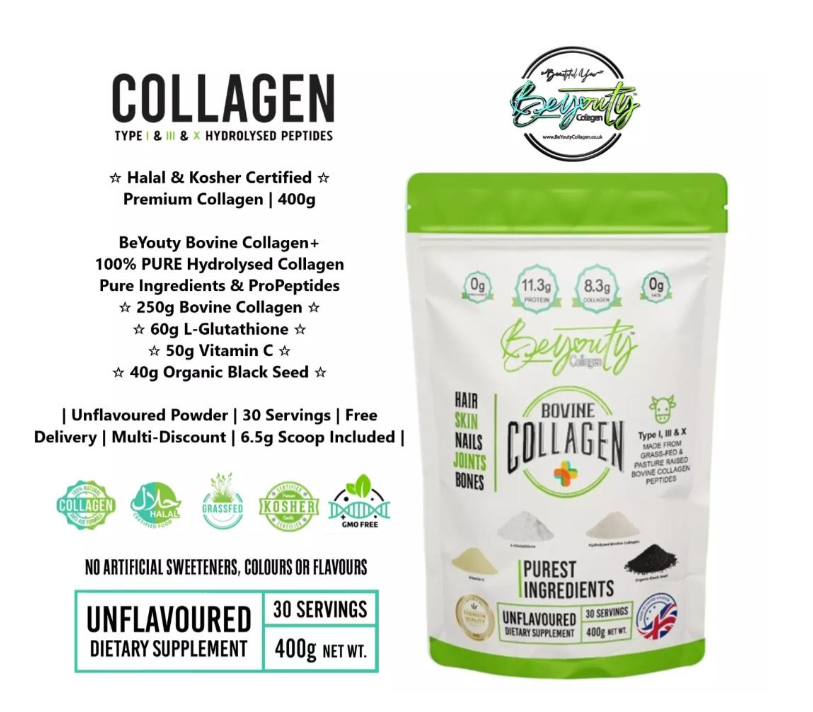
In recent years, collagen supplements have surged in popularity, becoming a staple in many wellness routines. Renowned for their benefits in improving Halal Collagen Supplements skin elasticity, joint health, and overall vitality, collagen products come in many forms—from powders and capsules to drinks and gummies. However, for those who follow halal dietary guidelines, not all collagen supplements are created equal. Understanding what makes a collagen supplement halal, why it matters, and what to look for when choosing one is crucial. This blog will explore the importance of halal collagen supplements, how to identify them, and the broader significance for consumers seeking ethical and religiously compliant health products.
Table of Contents
Understanding Collagen and Its Benefits
Collagen is the most abundant protein in the human body, providing structure to skin, hair, nails, bones, and connective tissues. As we age, natural collagen production decreases, leading to wrinkles, joint discomfort, and weaker bones. Supplementing with collagen peptides or hydrolyzed collagen can help replenish these levels, supporting skin hydration, reducing signs of aging, and enhancing joint function.
The market for collagen supplements is vast, offering products derived from various sources, including bovine (cow), porcine (pig), marine (fish), and even poultry. These sources influence not only the bioavailability and effectiveness of collagen but also its suitability for different dietary and religious practices.
What Does Halal Mean?
The term “halal” means “permissible” in Arabic and refers to anything that is allowed under Islamic law (Shariah). When it comes to food and supplements, halal certification ensures that the product complies with specific religious requirements, including:
The source of ingredients must be halal (permissible).
The product should be free from haram (forbidden) elements such as pork, alcohol, and any improperly slaughtered animals.
Manufacturing processes must prevent cross-contamination with non-halal substances.
Ethical standards in sourcing and handling are maintained.
Halal certification provides Muslim consumers with confidence that the products they consume align with their religious beliefs.
Why Halal Collagen Supplements Matter
Many collagen supplements are derived from animal sources that may not meet halal standards. For example, porcine collagen, sourced from pigs, is strictly haram and prohibited in Islam. Even bovine collagen can be problematic if the cows are not slaughtered according to Islamic law.
Consuming non-halal collagen products can cause discomfort or distress to devout Muslims who strive to adhere strictly to halal dietary laws. This concern extends beyond religious compliance to encompass personal ethics, cultural identity, and health considerations.
Moreover, halal certification is becoming an essential factor for many consumers, not only Muslims. Non-Muslim customers often associate halal products with higher quality, cleanliness, and ethical sourcing, increasing the demand for halal-certified supplements worldwide.
What to Look for in Halal Collagen Supplements
Choosing the right halal collagen supplement requires careful scrutiny. Here are essential factors to consider:
1. Halal Certification
The most straightforward way to ensure a collagen supplement is halal is to look for certification from recognized halal authorities. Trusted organizations include:
The Islamic Food and Nutrition Council of America (IFANCA)
The Halal Food Authority (HFA)
JAKIM (Department of Islamic Development Malaysia)
The Halal Certification Authority (HCA)
Certification logos on packaging provide reassurance that the product has undergone rigorous checks and meets halal standards.
2. Source of Collagen
Halal collagen supplements typically derive collagen from halal sources such as:
Marine collagen: Extracted from fish, marine collagen is naturally halal and suitable for many dietary needs. It is also known for its excellent bioavailability.
Bovine collagen: Must come from cows slaughtered according to halal procedures.
Chicken collagen: Poultry collagen can also be halal if sourced from properly slaughtered animals.
Avoid collagen derived from porcine sources, as this is inherently haram.
3. Ingredients and Additives
Even if the collagen source is halal, the supplement might contain non-halal additives or excipients such as gelatin capsules derived from pork or alcohol-based flavorings and preservatives. Carefully check the ingredient list for such components.
4. Manufacturing Process
Halal certification also assesses manufacturing facilities to ensure no cross-contamination with non-halal substances occurs. Some brands may disclose details about their production lines and quality control processes, offering transparency and peace of mind.
The Benefits of Choosing Halal Collagen
Choosing halal collagen supplements offers several advantages beyond religious adherence:
Ethical sourcing: Halal standards often align with humane animal treatment and ethical farming practices.
Cleanliness and safety: The halal certification process ensures strict hygiene standards, which may reduce the risk of contamination and improve overall product quality.
Trust and transparency: Halal certification requires thorough audits and documentation, fostering trust between consumers and manufacturers.
Inclusivity: Halal supplements cater to a diverse consumer base, including Muslims and others seeking ethically sourced and high-quality products.
Halal Collagen and the Global Market
The global halal market is expanding rapidly, with Muslim consumers representing a significant and growing demographic worldwide. According to market research, halal personal care and supplements are expected to see substantial growth in the coming years, driven by rising awareness, better product availability, and increased demand for transparency.
Brands are responding by introducing more halal-certified collagen supplements, often highlighting their marine collagen content or sourcing from halal-certified farms. This growth benefits not only Muslim consumers but also health-conscious individuals looking for trustworthy supplements.
How to Incorporate Halal Collagen into Your Routine
Once you’ve identified a reliable halal collagen supplement, the next step is integrating it into your daily wellness regimen. Here are some tips:
Follow dosage instructions: Adhere to the recommended dosage on the product label to avoid overconsumption.
Combine with vitamin C: Vitamin C enhances collagen synthesis, so taking collagen supplements alongside foods rich in vitamin C or with a vitamin C supplement can boost effectiveness.
Consistency is key: Collagen supplements typically require several weeks to months of consistent use to see visible benefits.
Monitor your body’s response: Pay attention to how your skin, joints, and hair respond to the supplement, and consult a healthcare professional if you experience any adverse effects.
Final Thoughts: Why It’s Worth Prioritizing Halal Collagen
Choosing halal collagen supplements is about more than just following religious guidelines. It reflects a commitment to consuming products that meet high ethical, quality, and safety standards. For Muslims, halal collagen supplements offer peace of mind and confidence that their wellness choices honor their faith. For others, these supplements represent a trusted, responsibly sourced, and high-quality option in a crowded marketplace.
As awareness of halal products continues to grow, more brands will innovate to meet the needs of this important market. Whether you seek to support skin health, joint function, or overall vitality, taking the time to select a halal-certified collagen supplement ensures that your wellness journey aligns with your values and lifestyle.