 Noel
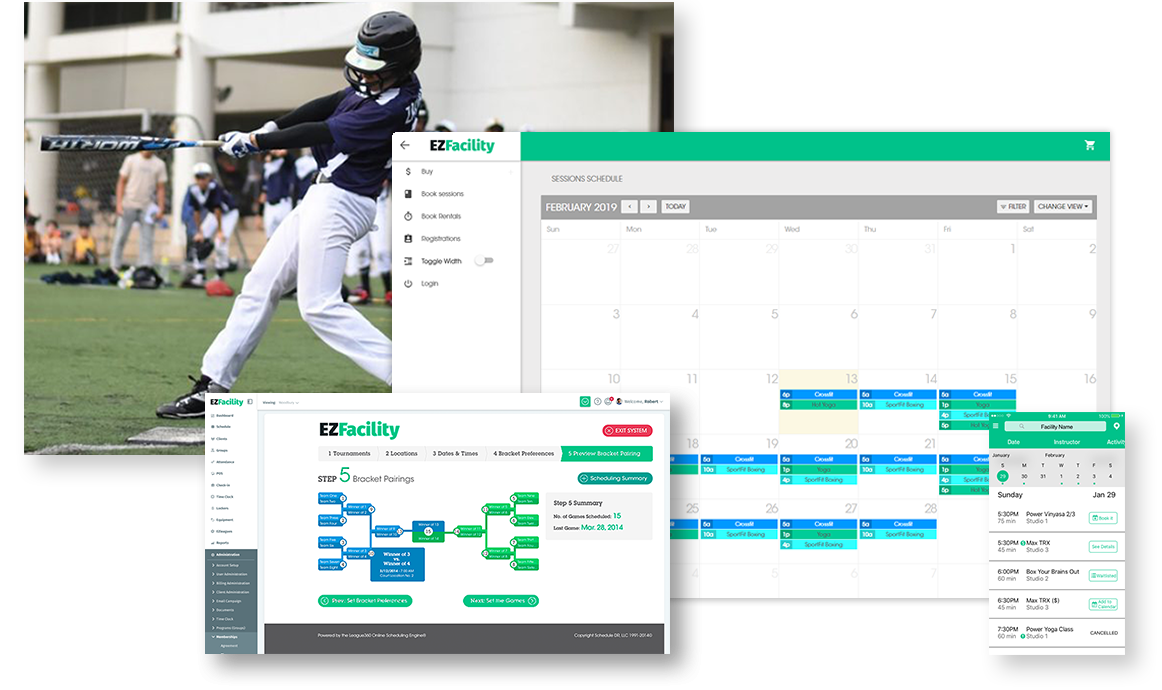 In a world driven by technology, staying competitive requires more than just offering quality services—it membership management software streamlined operations, data-driven decisions, and exceptional member engagement. For organizations that depend on memberships—whether they are associations, gyms, clubs, nonprofits, or professional networks—managing members efficiently is not just helpful; it’s mission-critical. This is where membership management software steps in, offering a digital transformation that can redefine how an organization functions.
Let’s explore how this type of software can revolutionize your organization’s operations and set you on a path to sustainable growth and member satisfaction.
Table of Contents
1. Automating Repetitive Administrative Tasks
One of the most immediate and noticeable benefits of membership management software is the automation of routine administrative tasks. From new member sign-ups to renewals, billing, reminders, and communications—what once required manual input and considerable time can now be handled seamlessly by the system.
Tasks that typically burden staff, such as sending payment reminders, generating invoices, updating contact details, or compiling attendance reports, can be performed automatically. This not only reduces errors but also frees up staff to focus on higher-level functions like strategic planning and member engagement.
2. Centralized Member Database
Gone are the days of scattered spreadsheets, paper files, or outdated CRM systems. Membership management software consolidates all your member information in one secure, centralized digital location. Every member profile can include personal details, membership status, payment history, communication logs, event participation, and more.
Having this “single source of truth” helps everyone in your organization operate from the same playbook. Whether it’s the marketing team planning a campaign, the finance team tracking dues, or the membership coordinator handling renewals—everyone can access accurate, up-to-date information instantly.
3. Enhanced Member Experience
At its core, every organization that relies on membership is in the business of relationships. The better you understand your members and cater to their needs, the more likely they are to stay engaged and loyal.
Membership software enhances the member experience by offering self-service portals where members can manage their own profiles, register for events, pay dues, download receipts, or update preferences—all without needing to contact support. Personalized email campaigns, anniversary greetings, or targeted offers can also be automated based on member behavior or milestones.
This level of customization makes members feel valued and seen, encouraging long-term commitment and advocacy.
4. Data-Driven Decision Making
Data is the currency of modern operations. With integrated analytics and reporting tools, membership management software allows organizations to gain deep insights into member behavior, retention rates, event popularity, financial performance, and more.
Instead of relying on guesswork or assumptions, leaders can make informed decisions based on real-time data. For example, if the software shows a high dropout rate among new members after three months, the organization can investigate onboarding processes or communication gaps. Likewise, financial forecasts become more accurate when backed by detailed payment and renewal histories.
5. Efficient Communication and Engagement
Effective communication is the lifeline of any membership-based organization. Whether you’re announcing an upcoming event, sharing updates, or reaching out for renewals, timing and relevance are crucial.
Membership management platforms often include built-in email marketing and SMS features, allowing for segmented and targeted messaging. This means you can send different messages to new members, long-time supporters, lapsed members, or event attendees—all from one platform.
These tailored communications not only increase open and response rates but also foster deeper engagement, building a stronger sense of community and involvement.
6. Streamlined Event Management
Events are often the heartbeat of member-based organizations, offering opportunities for networking, education, and value delivery. Managing them manually, however, can be a logistical nightmare.
With membership software, you can handle the entire event lifecycle—from planning and registration to attendance tracking and post-event feedback. Integration with payment gateways ensures smooth financial transactions, while automated reminders reduce no-shows.
You can also analyze event data to see which types of events attract the most engagement, helping you plan more effectively in the future.
7. Increased Revenue Opportunities
By automating dues collection, tracking missed payments, and sending timely reminders, membership management software ensures fewer revenue leaks. But it doesn’t stop there.
Advanced systems can support tiered membership levels, offer upsells (like exclusive content or VIP access), and even run referral programs. E-commerce features allow you to sell merchandise, digital products, or training materials directly to members, all integrated into their profiles.
With detailed financial reporting, you can also identify your most profitable membership segments and adjust your strategy to attract more of them.
8. Scalability and Growth Support
As your organization grows, so do your operational complexities. What worked for 100 members might collapse under the weight of 1,000. Manual methods don’t scale well, leading to bottlenecks, service delays, and frustrated members.
Membership software provides a scalable infrastructure. Whether you’re adding new members, expanding to multiple locations, or introducing new services, the software adapts to your needs. Cloud-based platforms ensure that you can access your system from anywhere, enabling remote work and collaboration across teams.
9. Security and Compliance
With increasing concerns around data privacy and compliance regulations such as GDPR, managing member data responsibly is not optional—it’s essential.
Most modern membership management systems offer robust security features such as encryption, access controls, and audit trails. They also help you stay compliant with privacy laws by offering consent management, opt-in/opt-out options, and data retention policies.
By safeguarding your members’ personal data, you not only comply with legal obligations but also build trust with your community.
10. Customization and Integration
Every organization is unique. Whether you run a small local club or a large international association, your operational needs will differ.
Membership management software is often customizable, allowing you to configure workflows, design branded member portals, or choose from various modules based on your needs. Furthermore, integration with other tools—such as accounting software, email marketing platforms, and social media—creates a connected ecosystem that reduces duplication and improves efficiency.
Final Thoughts
Implementing membership management software is more than a technological upgrade—it’s a transformational shift that can redefine your organization’s efficiency, growth, and member relationships.
By automating mundane tasks, improving member engagement, providing actionable insights, and enabling scalability, such software empowers organizations to do what they do best: build strong communities and deliver exceptional value.
In a competitive landscape, staying ahead isn’t about working harder—it’s about working smarter. And with the right membership management solution in place, your organization can do just that.